
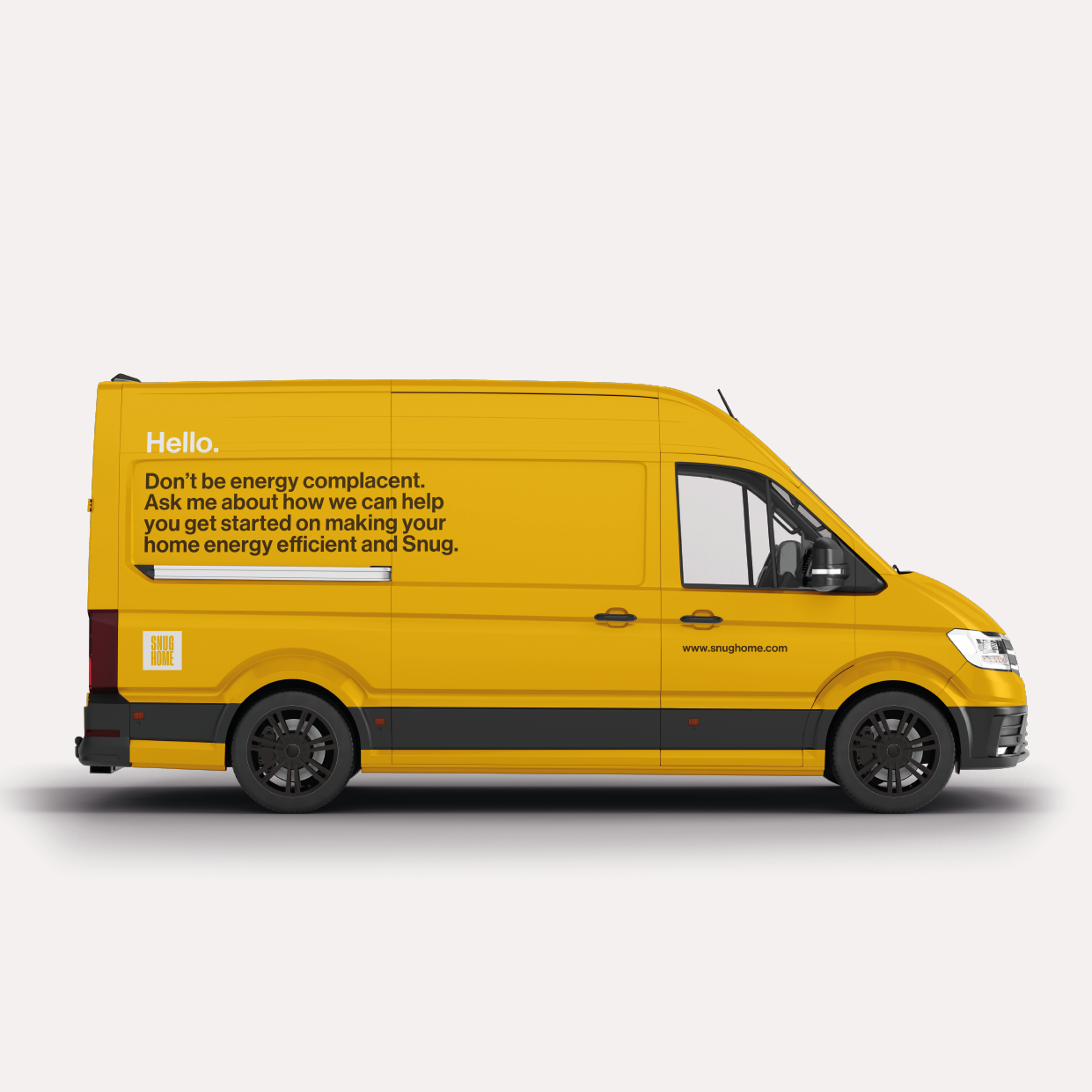
Everyone should want a snug home.
Snug Home arrived with a clear mission and a solid plan, but something wasn’t resonating. The discussion kept revolving around complexity - finance models, retrofit pathways, ratings, and regulations - while the real experience of homeowners was being overlooked. The problem wasn’t feasibility; it was asking people to care about the wrong things.
The turning point was when the focus shifted back to everyday experience: comfort, confidence, and control. By framing energy efficiency as a simple improvement to how a home feels and functions, the idea became more trustworthy - and more appealing to say yes to.
Precision without the right frame.
The first framing treated GenPax as a better version of existing pathogen analysis. But without the founder’s voice, something fundamental was missed. The technology wasn’t incremental, yet it kept being compared to tools it made obsolete.
The shift came through conversation. By reframing GenPAx as genome intelligence rather than a diagnostic upgrade, the story shifted from comparison to leadership. What emerged was a clearer truth about what changes when certainty replaces delay.
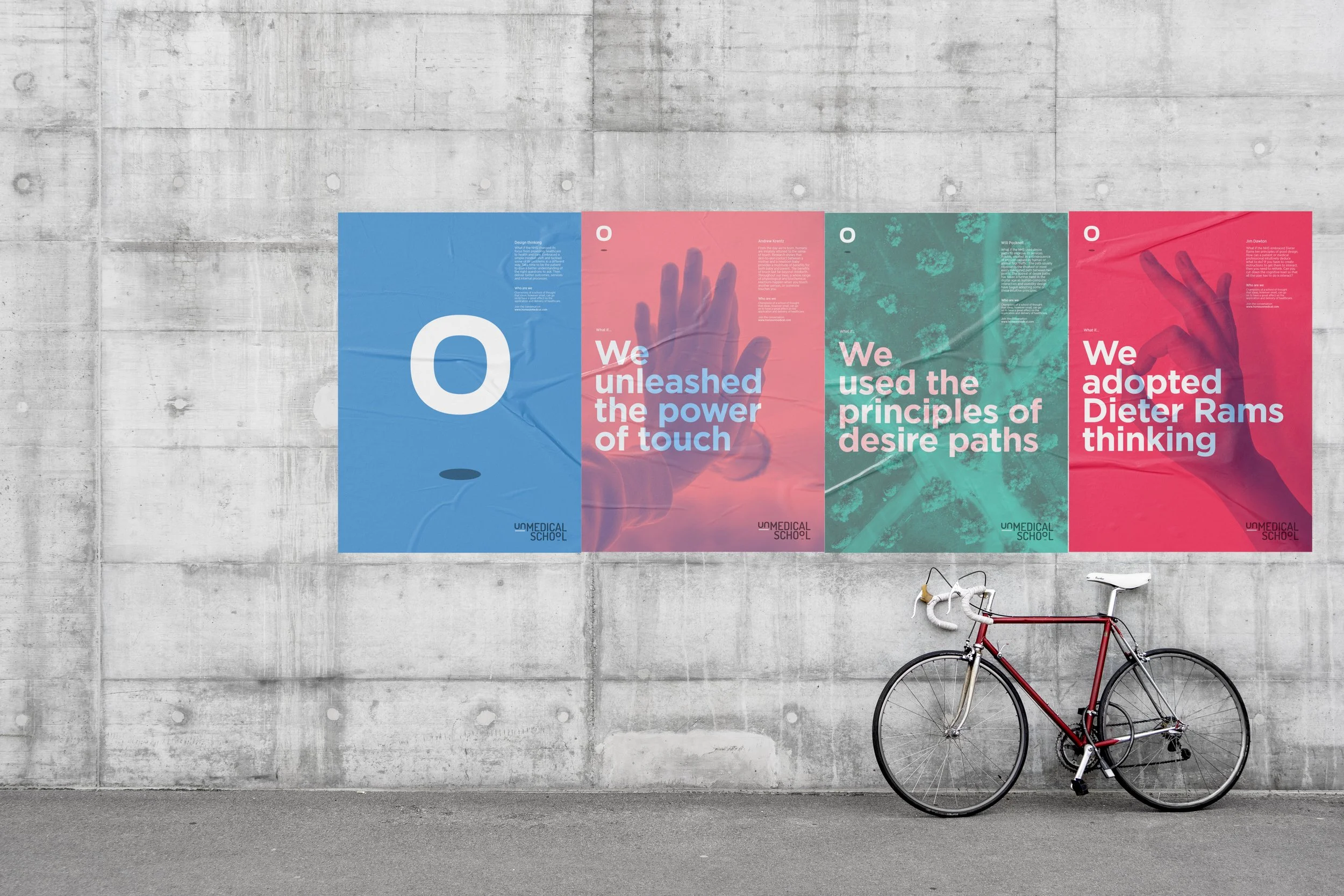
Science taught. Care assumed.
Healthcare education privileges what is scientific and clinical, leaving much of what shapes real care - judgement, relationships, uncertainty - unnamed and unexplored.
UnMedical School reframes the challenge, creating a space for conversation rather than instruction, where different perspectives meet, and learning occurs together, with design present from the outset.
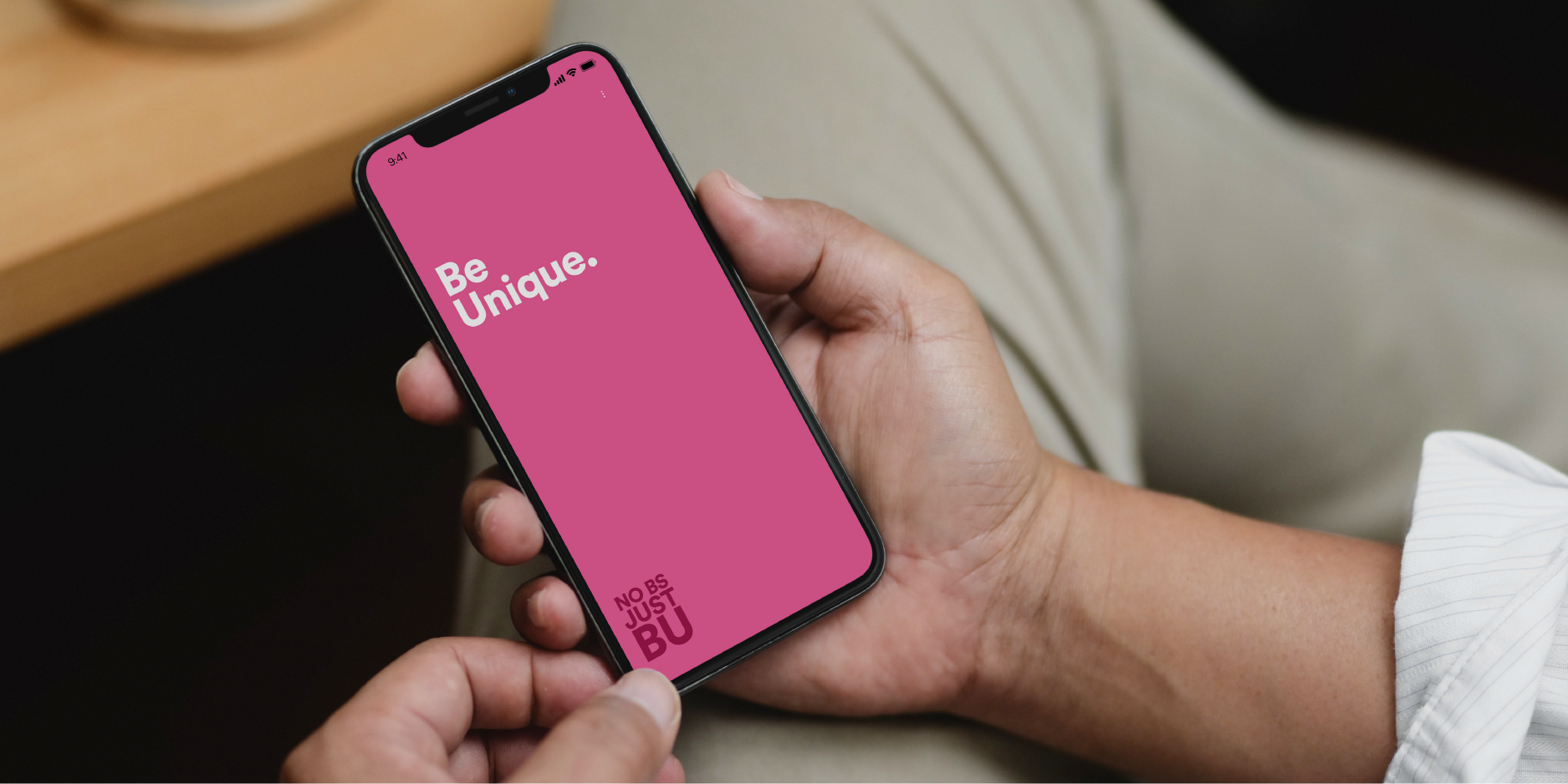
Conversation in motion
First meetings with Michael felt like a whirlwind: energy, frustration, and a concept only half-formed. He had a vision for a hybrid social platform, but even he struggled to explain it fully. Our challenge was not to fix it immediately, but to listen, to understand the tensions, and to bring users into the room through dialogue.
As conversations unfolded, the focus shifted. Recruitment wasn’t just about jobs - it was about being understood, safe, and welcomed. BU emerged as a space that reflected this, a simple idea wrapped in a bigger philosophy: be yourself, in all ways, always. Clarity didn’t come from designing a product first; it came from listening first.

When expertise doesn’t translate
Charlotte knew her work mattered - decades spent preventing conflict, resolving disputes, and keeping people safe. But stepping out on her own revealed a quiet tension: she could explain what she did, yet struggled to articulate its value in language that resonated beyond her profession.
Through conversation, the focus shifted from services to experience. From technical descriptions to a shared human goal. ‘In pursuit of common ground’ became a way to discuss the work that fostered understanding - and opened the door to clearer, more confident conversations across any context.

Conversation to clarity
Returning from London kitchens to the family farm, the question wasn’t how to add momentum without losing meaning. It was whether building a brand would require adding layers that didn’t belong. The unspoken tension sat between craft and growth, confidence and restraint.
A day of walking and talking shifted the frame. Bread - simple, honest, uncompromising - became the clue. By trusting simplicity rather than dressing it up, a quieter clarity emerged, one that let the venture grow without becoming something it wasn’t.

Purpose before product
The early conversations with ReadyGo weren’t about features or market fit—they were about possibility and purpose. The intent was clear: the team wanted to create a brand that could change the medical diagnostics landscape, but the “why” was undefined.
Through dialogue, exploration, and careful questioning, we shifted thinking from what the brand did to what it stood for. That thinking revealed a simple, fearless guiding principle, giving the company clarity, momentum, and a foundation for everything that followed.

Design that listens
The existing visual identity felt stagnant, out of harmony with the company’s values and the freedom the new owner aimed to convey. Words had altered the narrative, but the visuals still bore the weight of outdated assumptions, limiting how Riverhouse Partners could be perceived.
Through listening and iterative dialogue, the team started to view design differently - not as mere decoration, but as a subtle partner to the story. Delicate details, carefully selected colour and form, redefined the visual presence to reflect values, service, and trust, fostering a space where the company’s narrative could truly flourish.

When belief quietly slips away
“It’s really hard.” Not a complaint - just an honest moment between friends. A business built with care and conviction was struggling, not because the product was weak, but because the founders were burdened with having to explain and justify what they believed in.
Through conversation, listening, and instinct, the perspective shifted. Play stopped being something to defend and became something to lead with. What followed wasn’t a solution, but clarity - and the confidence to let a strong idea finally speak in its own voice.

Curiosity meets uncertain growth
Christian and Ben were moving into a new workshop, and with it came the question they couldn’t answer: Who are we now, and how do we show it? The first two years of success felt like a high tide - momentum, yes, but no clear shore in sight.
Through conversation, listening, and reflection, a new lens appeared: it wasn’t about logos or brochures - it was about people, craft, and the care behind every vehicle. That shift reframed uncertainty into clarity, and the next steps became something they could see, feel, and own.

Making healthcare more Healthcareful™
Every day in the UK, doctors and nurses spend, on average, an hour on tasks that do not involve direct patient care, such as entering data, chasing results, and double-checking notes. These hours accumulate, leading to frustration, fatigue, and increased risk. It is the work that no one notices - until something goes wrong.
Through discussions with clinicians and the Salutare team, we gained a different perspective on the issue. It was not just about software; it was about developing a way to make healthcare more Healthcareful™. Suddenly, lost hours became patient time, inefficiency became clarity, and a daily routine task became an opportunity to improve care for everyone.

When clarity meets conviction
Allied’s team knew how to deliver, but struggled to explain why their work mattered - and to whom. They feared conventional visuals would misrepresent them, yet without a clear narrative, their impact risked being invisible.
Through conversation, listening, and reframing, we uncovered a universal truth: “Protecting every day.” It captured mission, purpose, and urgency in three words. Suddenly, the team could see their work through others’ eyes and communicate with clarity, confidence, and resonance.

From tender to a story that mattered
The assumption was clear: only marinas that already appeared operational would be taken seriously. With no site to showcase and a three-week deadline, the challenge wasn’t design—it was credibility. Early discussions centred on what makes something seem inevitable rather than speculative, and how to communicate belief without pretence.
The shift occurred when the conversation moved from the marina to the person behind it. By reframing the tender around stewardship, not just structures, a new opportunity emerged: a marina defined as much by what it gives back as by what it constructs.

Mining without destruction
For years, mining has entailed extracting resources and causing damage. When Phyona emerged from Brunel University, the expectation was that this breakthrough would need careful, cautious explanation — perhaps softened to make it more acceptable.
In conversation, a different possibility arose. By maintaining the tension between extraction and regeneration, the story did not require hiding or dilution. It needed rephrasing - creating space for people to see mining not as harm, but as repair.

Everyone’s tried. No one’s cracked it.
Jim and Simon had approached countless designers, yet no one could translate what Impeller Ventures actually did into an identity. Every conversation revealed different stories and outcomes, making the challenge feel elusive and nearly impossible to pin down.
Through persistent listening, a pattern emerged: momentum. By reframing the problem around how they advance ideas, we shifted from describing their work to suggesting it. A subtle visual cue now represents that motion, transforming frustration into clarity.

When a cafe outgrows itself
What started as helping at the family campsite café quickly turned into something more. The food, the care, the atmosphere - all hinted at a bigger story than the space or signs suggested. The tension wasn’t about growth, but about identity: was this still just a café, or the beginning of something broader?
Through conversation, another possibility emerged. Not one brand stretched too thin, but a shared belief strong enough to support many ideas. By shifting the focus of the business around nature, nurturing, and giving back, clarity replaced limitations - and space opened up for what might come next.

Together but separate
STR had grown as a family of companies, each with its own identity and history, yet the leadership wanted them to present as one. The assumption that separate identities could simply coexist under a single banner created tension and uncertainty.
Through open dialogue with staff, leadership, and stakeholders, a new possibility emerged: uniting the brand didn’t mean merging identities. It meant reframing STR as a solutions company, using its combined expertise and data to solve problems. The conversation shifted the focus from compromise to opportunity, creating clarity and momentum.